Upper Mustang is unlike anywhere else on Earth. This remote, restricted region in Nepal's rain-shadow was an independent kingdom until 2008, and its isolation has preserved a Tibetan Buddhist culture that has all but disappeared in Tibet itself.
The journey begins with a flight to Jomsom, followed by a trek through dramatic red sandstone canyons that feel more like the American Southwest than the Himalayas. The trail passes ancient cave dwellings, some dating back 2,000 years, and walled villages that have changed little since the Middle Ages.
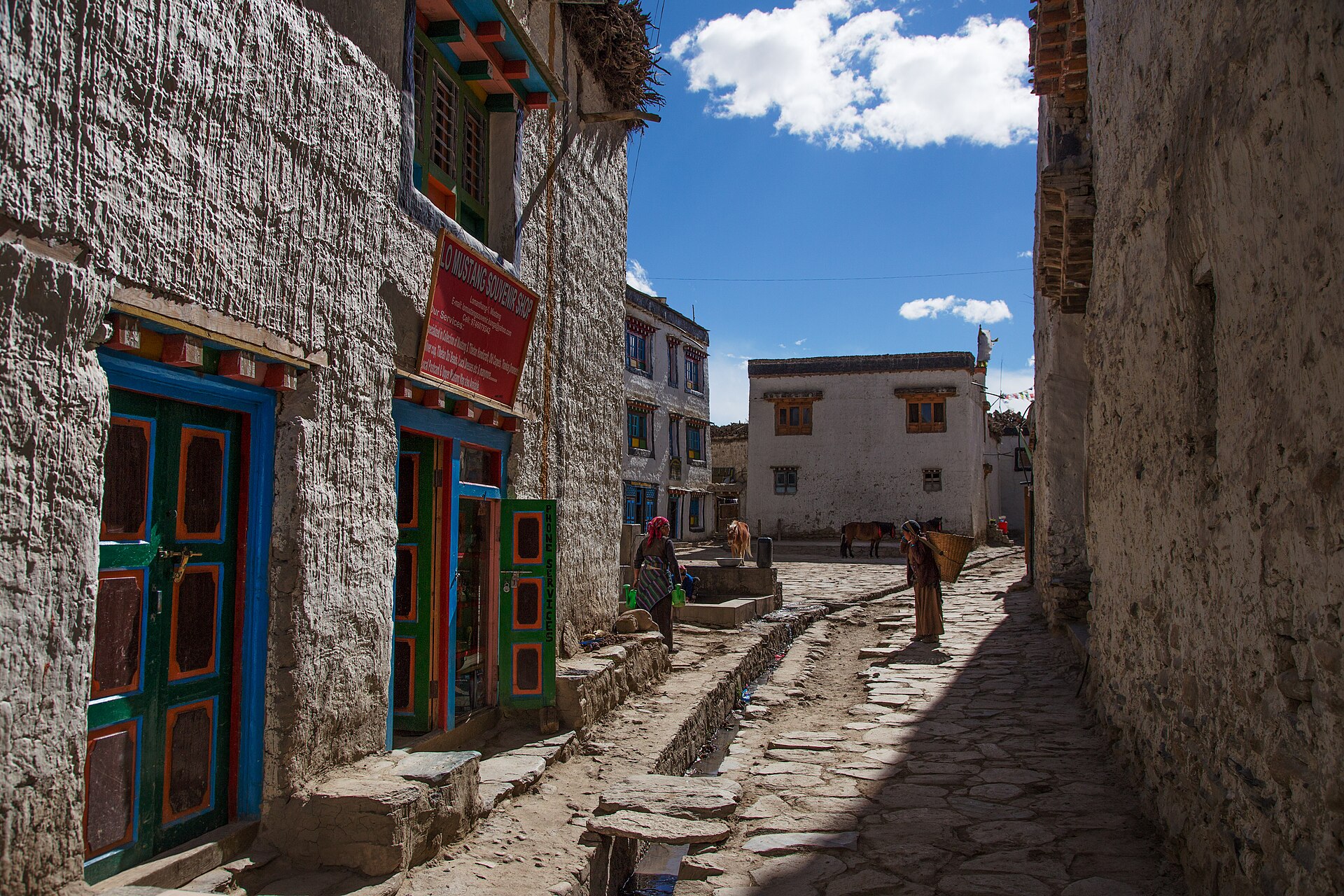
The capital, Lo Manthang, is a walled city of whitewashed houses, narrow alleys, and ancient monasteries. The King's Palace still stands at its centre, and the surrounding ramparts offer views of the arid expanse stretching toward the Tibetan plateau.
The Tiji festival is the most important cultural event in Mustang, a three-day ritual of masked dances that tells the story of a deity's victory over demons. The festival is both a profound spiritual event and a spectacular visual experience.
Mustang's location in the rain-shadow of the Annapurna and Dhaulagiri ranges means it receives minimal rainfall. The landscape is arid and lunar, with a stark beauty that is both haunting and magnificent.
Access to Upper Mustang is restricted, and travellers must obtain a special permit (USD 500 for 10 days). This limitation has helped preserve the region's unique character, making it one of the most exclusive destinations in the Himalayas.