Nepal's diverse topography creates remarkable seasonal variations across its regions. Understanding these patterns is essential for planning the perfect journey.
Spring (March–May) brings the famous rhododendron bloom, transforming hillsides into a tapestry of crimson and pink. Temperatures are warm at lower elevations, and mountain views remain excellent. This is the season for trekkers who want to see Nepal at its most colourful.
Summer/Monsoon (June–August) sees heavy rainfall across much of the country, particularly in the eastern and central regions. However, this is the best time for the Mustang and Dolpo regions in the rain shadow of the Himalayas, where the weather remains dry. The landscape is lush and vibrant.
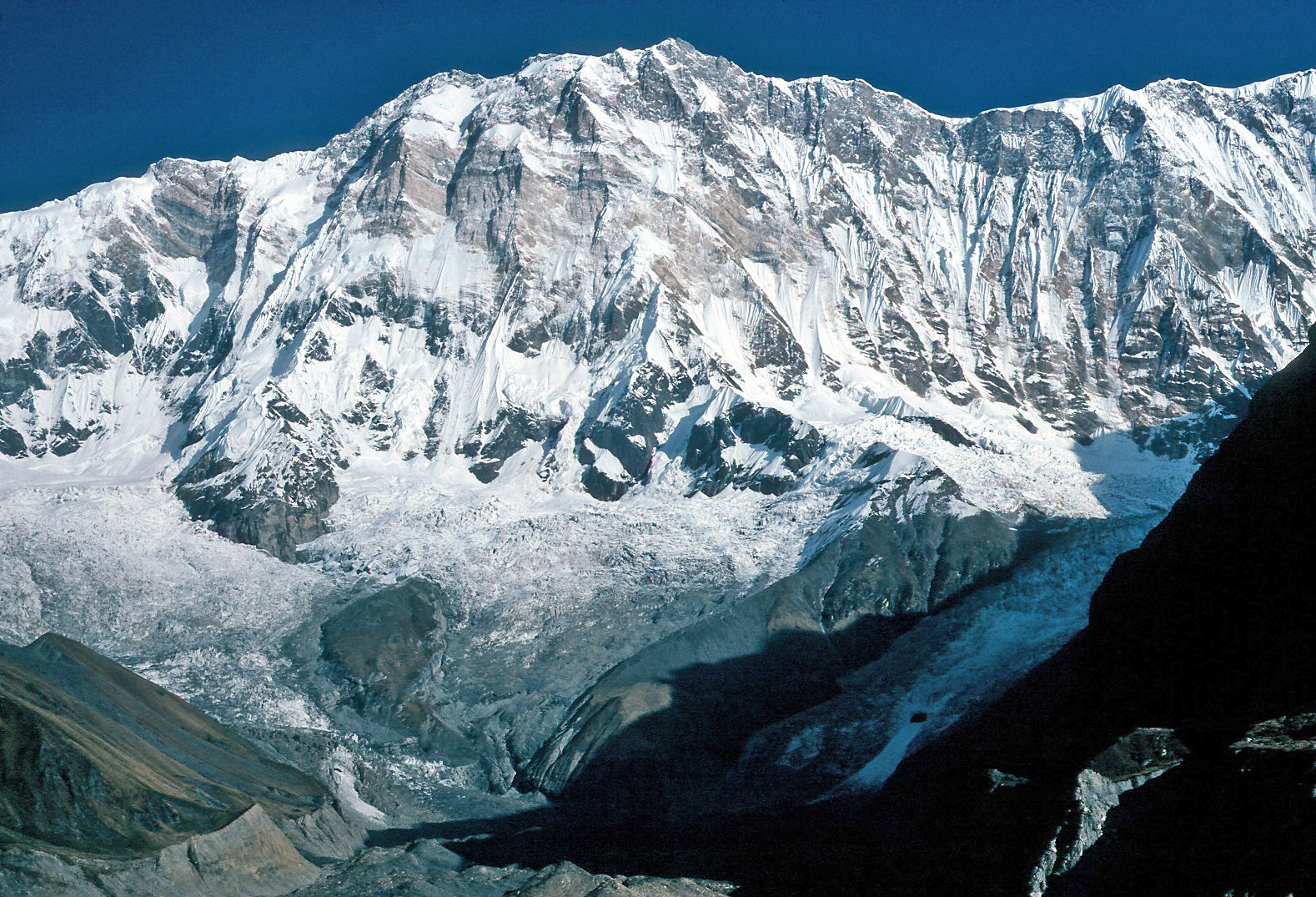
Autumn (September–November) is widely considered the best time for travel. The monsoon has cleared the air, offering crystal-clear mountain views. Temperatures are comfortable, and the skies are blue. This is peak season for trekking.
Winter (December–February) brings cold temperatures and snow at higher elevations, but lower-altitude destinations like Chitwan, Pokhara, and Kathmandu Valley remain pleasant. Winter treks are possible with proper preparation, and the clear skies offer spectacular mountain panoramas.
Each season offers a distinct experience. The key is matching your interests with the right timing — whether that's spring rhododendrons, autumn clarity, winter solitude, or monsoon exploration of the rain-shadow regions.