Cultural Calendar
Festivals of Nepal
Discover the festivals that define Nepal's cultural calendar, from ancient Hindu rituals to Buddhist celebrations.
The Calendar of the Gods
Festival Calendar
Throughout the year, Nepal comes alive with festivals that blend ancient traditions, spiritual devotion, and vibrant celebrations.
Hindu · religious
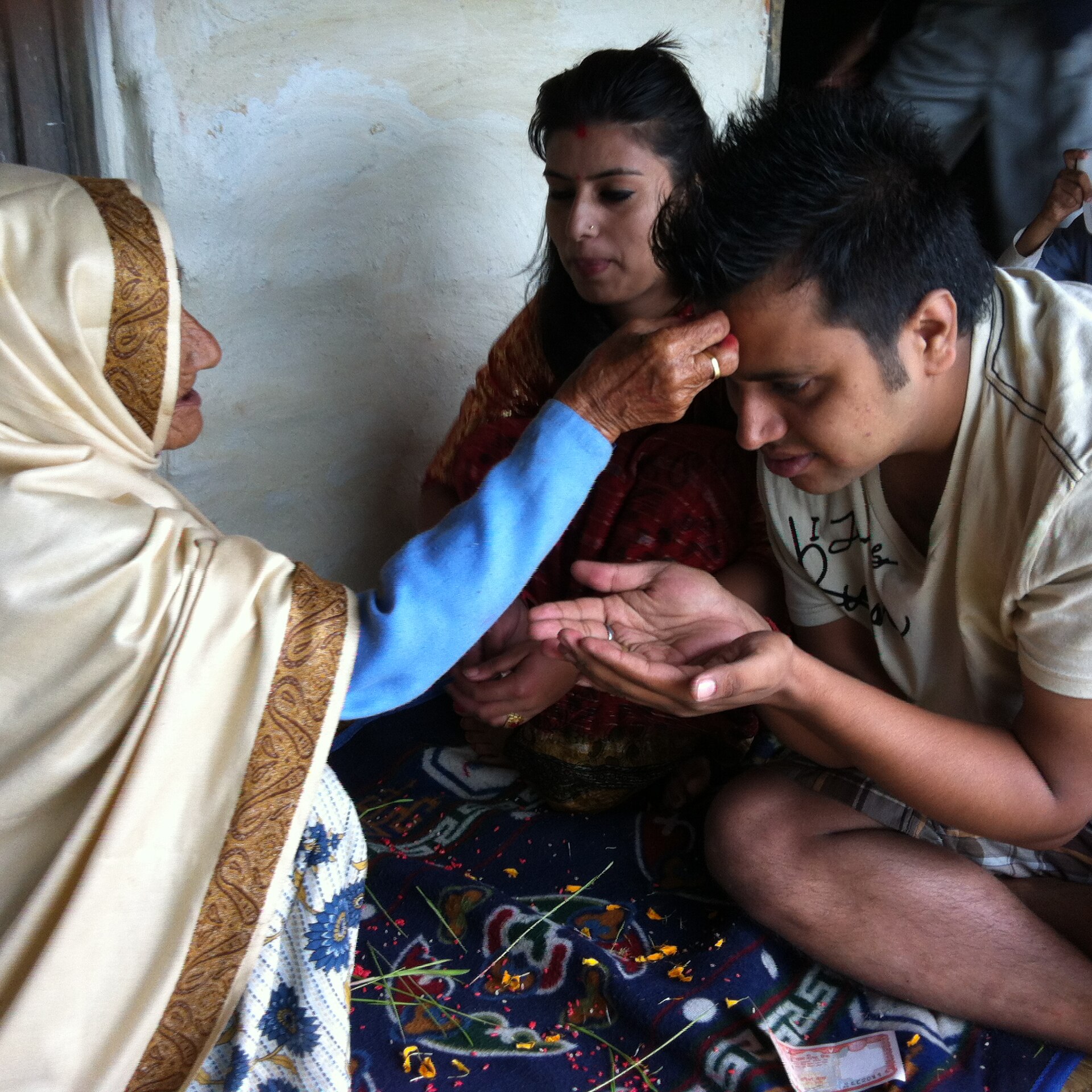
Dashain
September – October (Ashwin) · 15 days
The most important and longest festival in Nepal, celebrating the victory of the goddess Durga over the demon Mahishasura. A time of family reunions, feasting, and the exchange of blessings and tika. The entire country comes to a standstill as people travel to their ancestral villages.
Significance
Dashain symbolizes the triumph of divine good over demonic evil. Goddess Durga battled the shape-shifting demon Mahishasura for nine nights before vanquishing him on the tenth day.
Location: Throughout Nepal; major celebrations at Durbar Squares and all Hindu temples
Hindu · religious
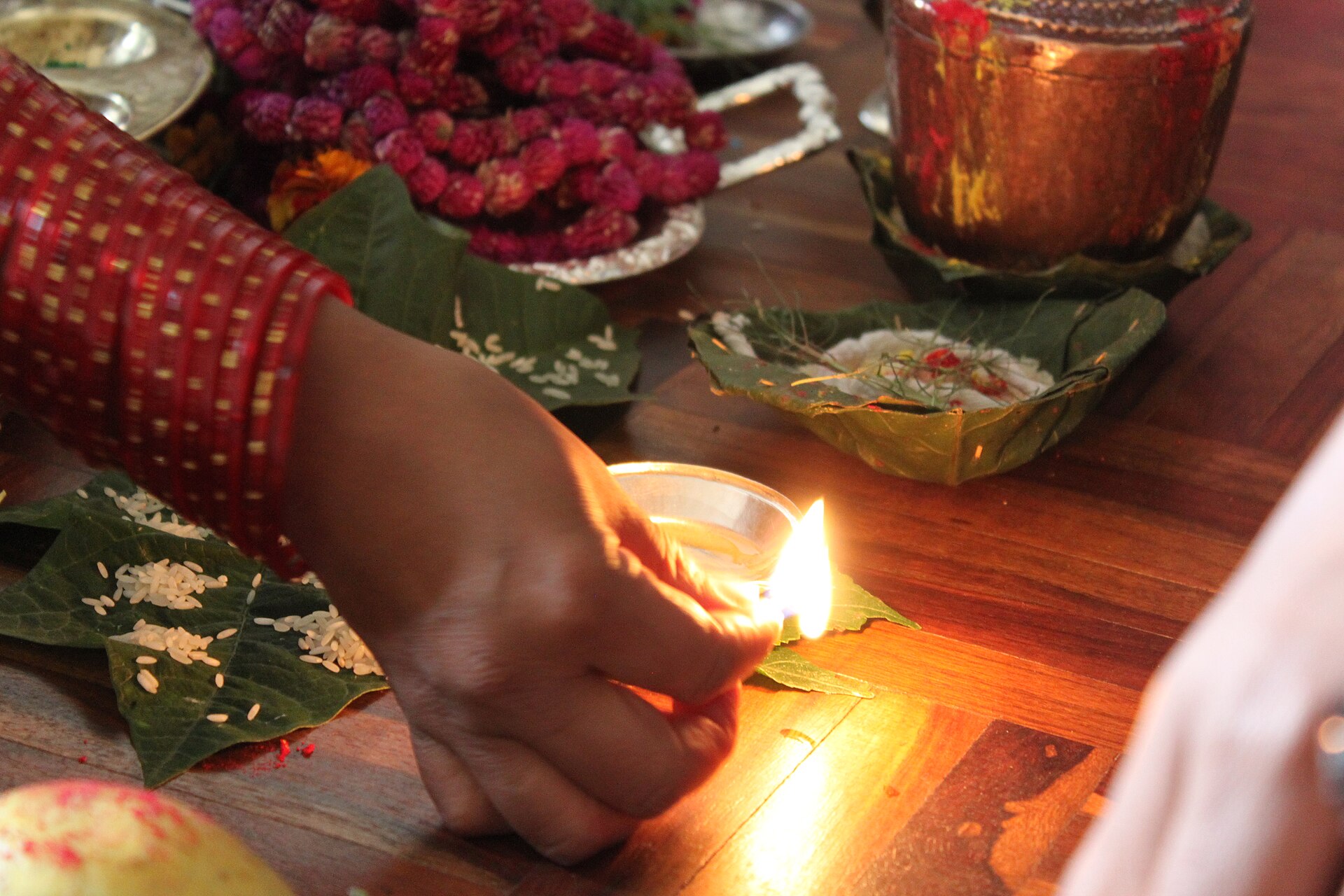
Tihar
October – November (Kartik) · 5 days
The festival of lights, honoring not only the gods but also the animals that share human life — crows, dogs, and cows are worshipped with offerings of garlands and special foods. At night, every home glows with oil lamps and candles.
Significance
Tihar celebrates the relationship between humans, animals, and the divine. Each day honors a different being — the crow as messenger, the dog as guardian, the cow as provider.
Location: Throughout Nepal; particularly beautiful in Kathmandu Valley's old cities
Hindu · religious
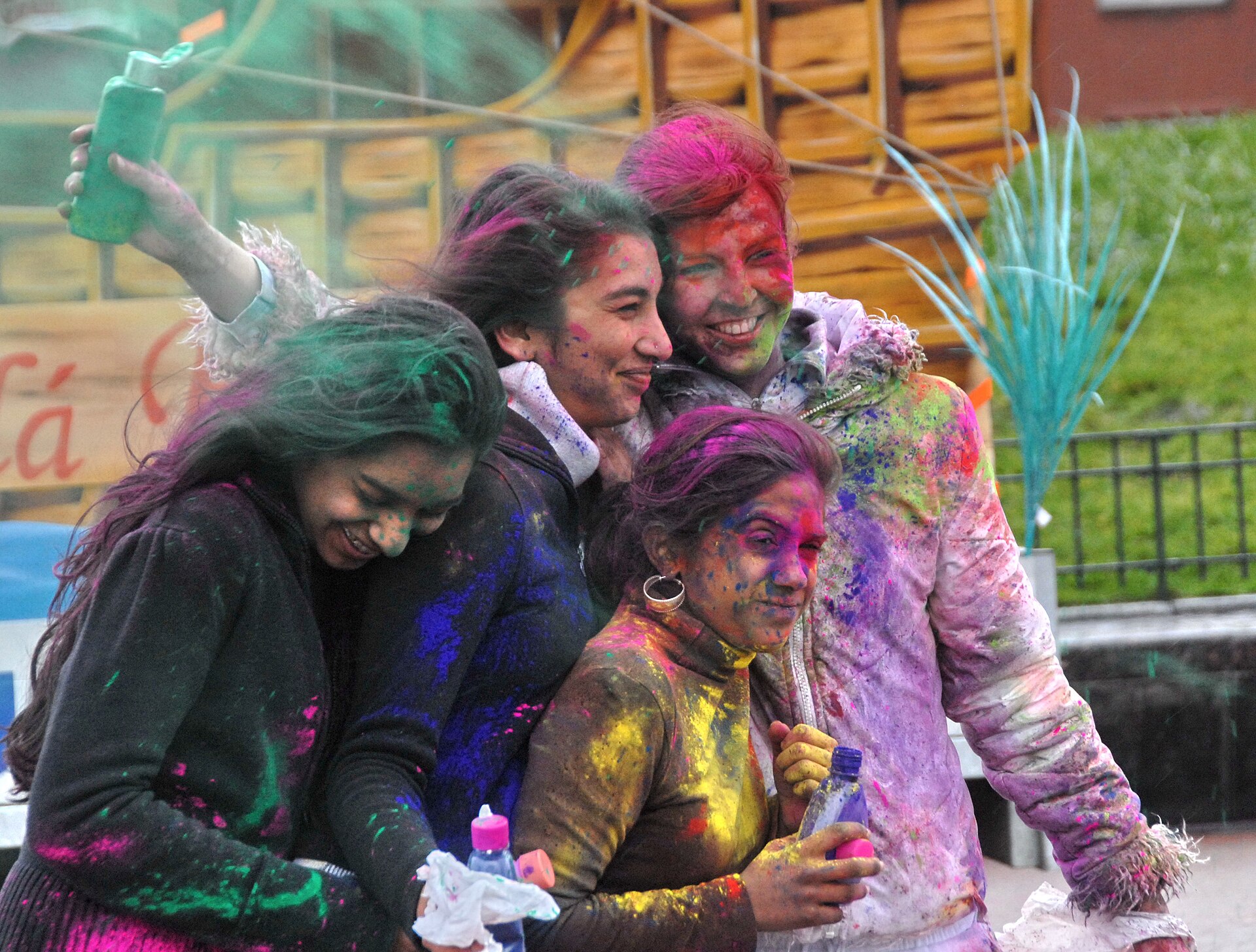
Holi
March (Falgun full moon) · 1 day
The festival of colors, Nepal's most exuberant celebration marking the arrival of spring. People of all ages take to the streets armed with colored powders, water balloons, and spray guns, accompanied by music, dancing, and joy.
Significance
Holi commemorates the legend of Prahlada and Holika, symbolizing the triumph of devotion over evil.
Location: Celebrated nationwide; especially vibrant in Kathmandu's Thamel and Patan Durbar Square
Buddhist · religious
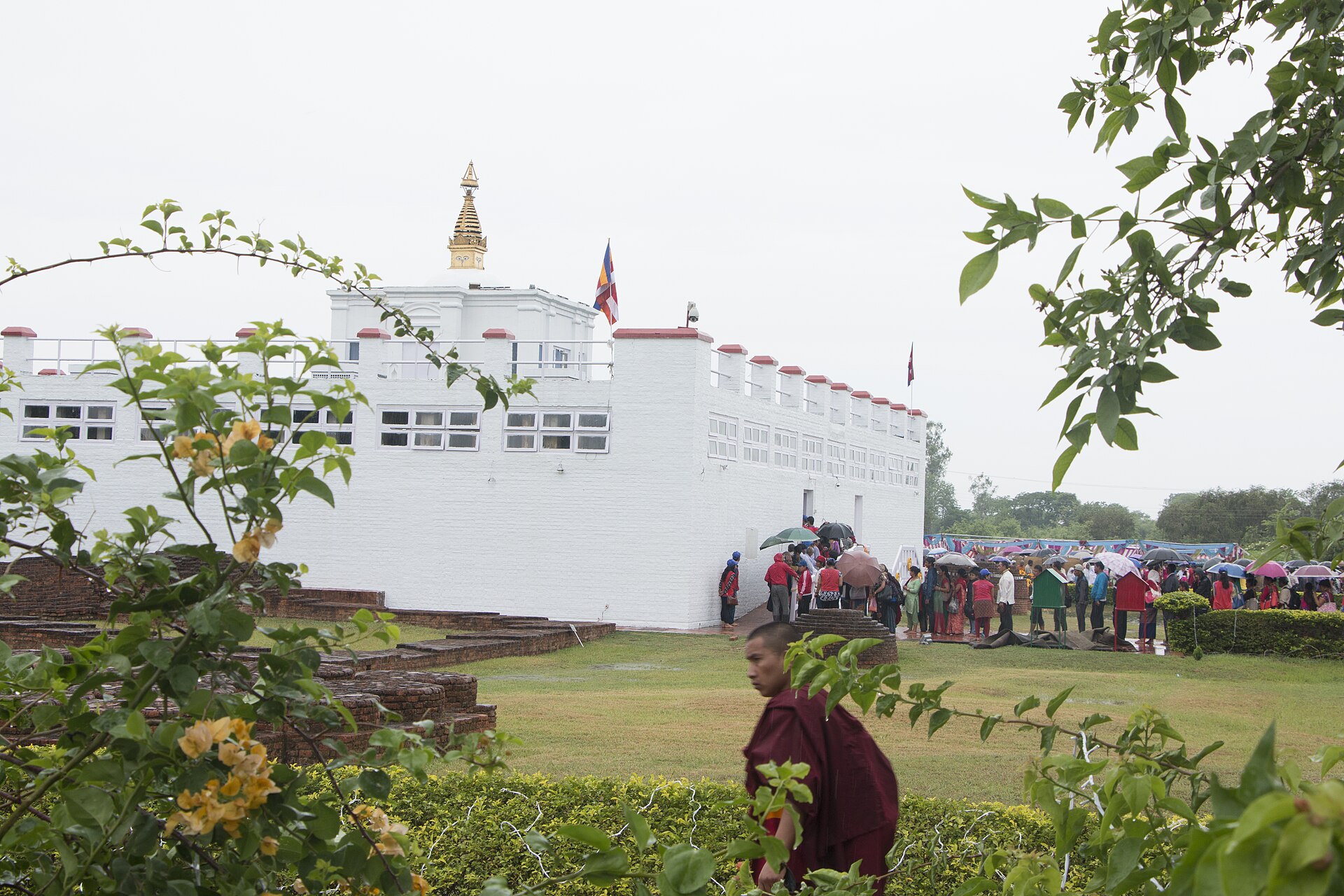
Buddha Jayanti
April – May (Baisakh full moon) · 1 day
The most important Buddhist festival in Nepal, commemorating the birth, enlightenment, and passing of Lord Buddha — all said to have occurred on the same full moon day. Lumbini becomes the focal point of celebrations with thousands of pilgrims.
Significance
Buddha Jayanti (Vesak) is the holiest day in the Buddhist calendar, marking the three most significant events in the life of the historical Buddha.
Location: Lumbini (main celebration), Swayambhunath, Boudhanath, and all Buddhist monasteries nationwide
Hindu/Buddhist · religious
Indra Jatra
September (Bhadra) · 8 days
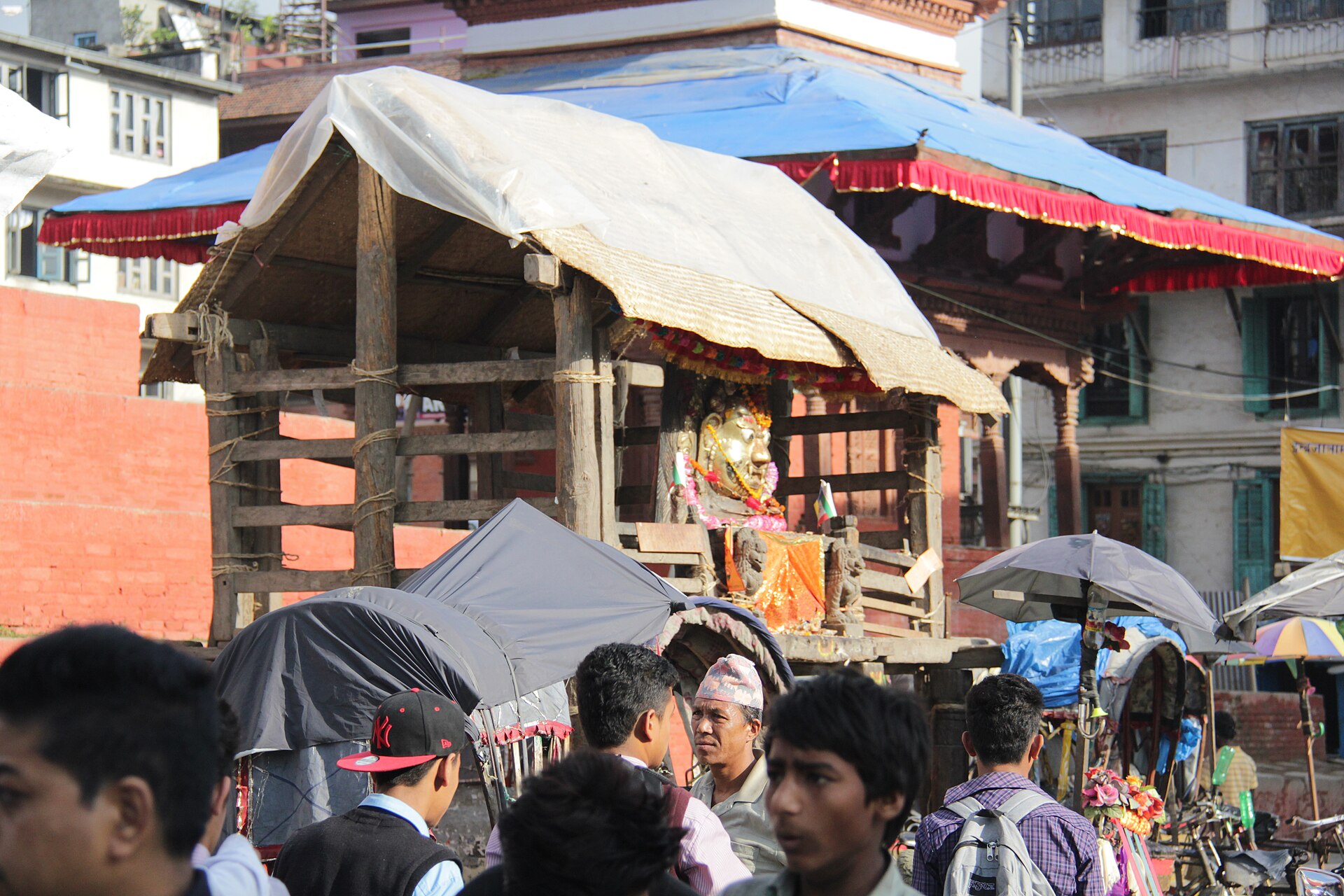
The most important festival of the Kathmandu Valley, honoring Indra, the king of heaven. The highlight is the chariot procession of the living goddess Kumari, paraded through the streets in a massive wooden chariot.
Significance
Indra Jatra marks the end of the monsoon and gives thanks for the harvest. It is the only time the living goddess Kumari appears in public chariot processions.
Location: Kathmandu Durbar Square, Maru Tole, and the streets of old Kathmandu
Buddhist (Vajrayana) · religious
Mani Rimdu
November (Tibetan lunar calendar) · 3 days
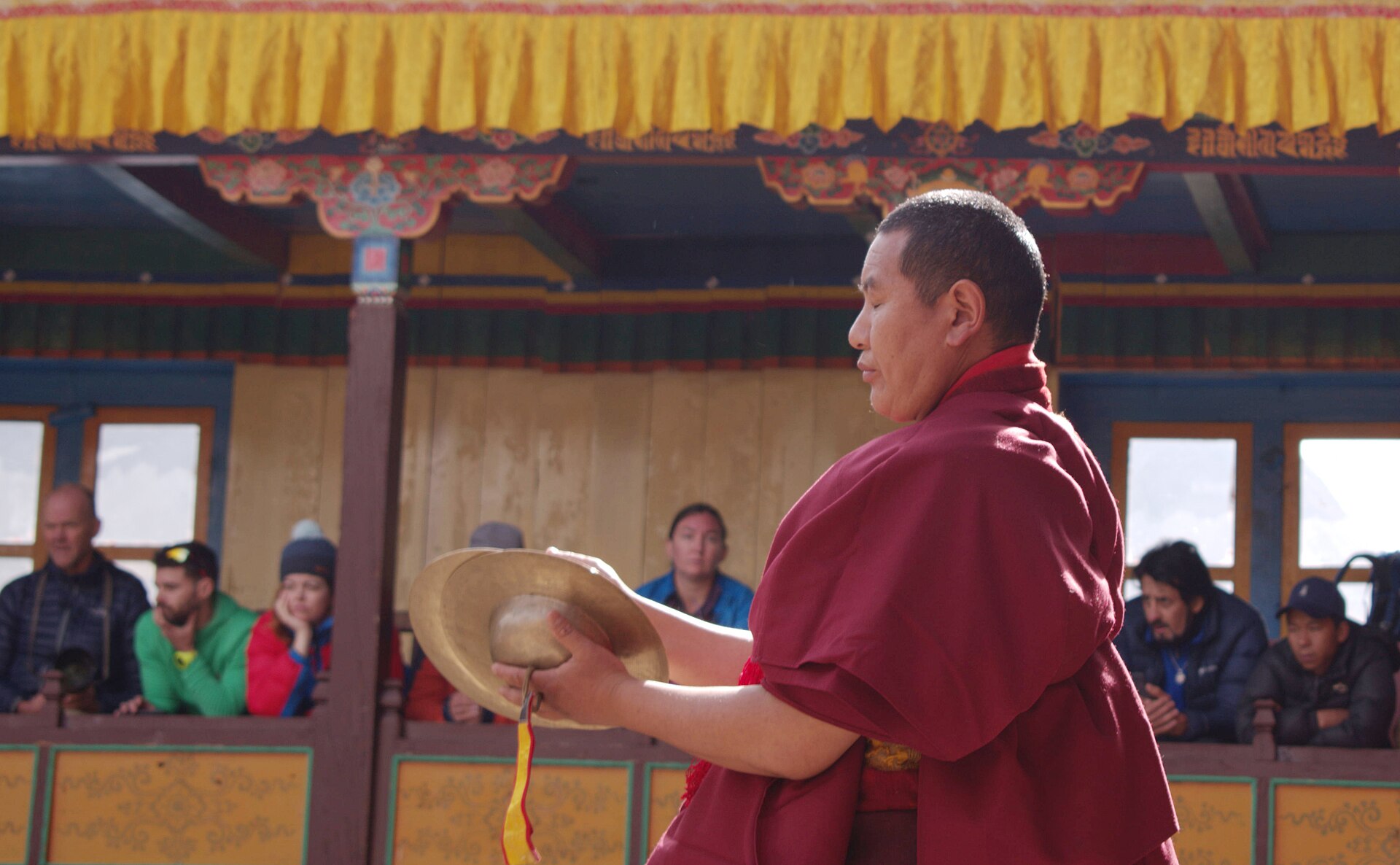
A sacred three-day festival performed by the Sherpa community at Tengboche Monastery. Elaborate masked dances (cham) depict the victory of Buddhism over the pre-Buddhist Bon religion.
Significance
Mani Rimdu means "the small Mani festival" and is intended to bless the community. The festival culminates in the creation and dispersal of a sand mandala, symbolizing impermanence.
Location: Tengboche Monastery, Everest region
Hindu · religious
Chhath
October – November (Kartik, six days after Tihar) · 4 days
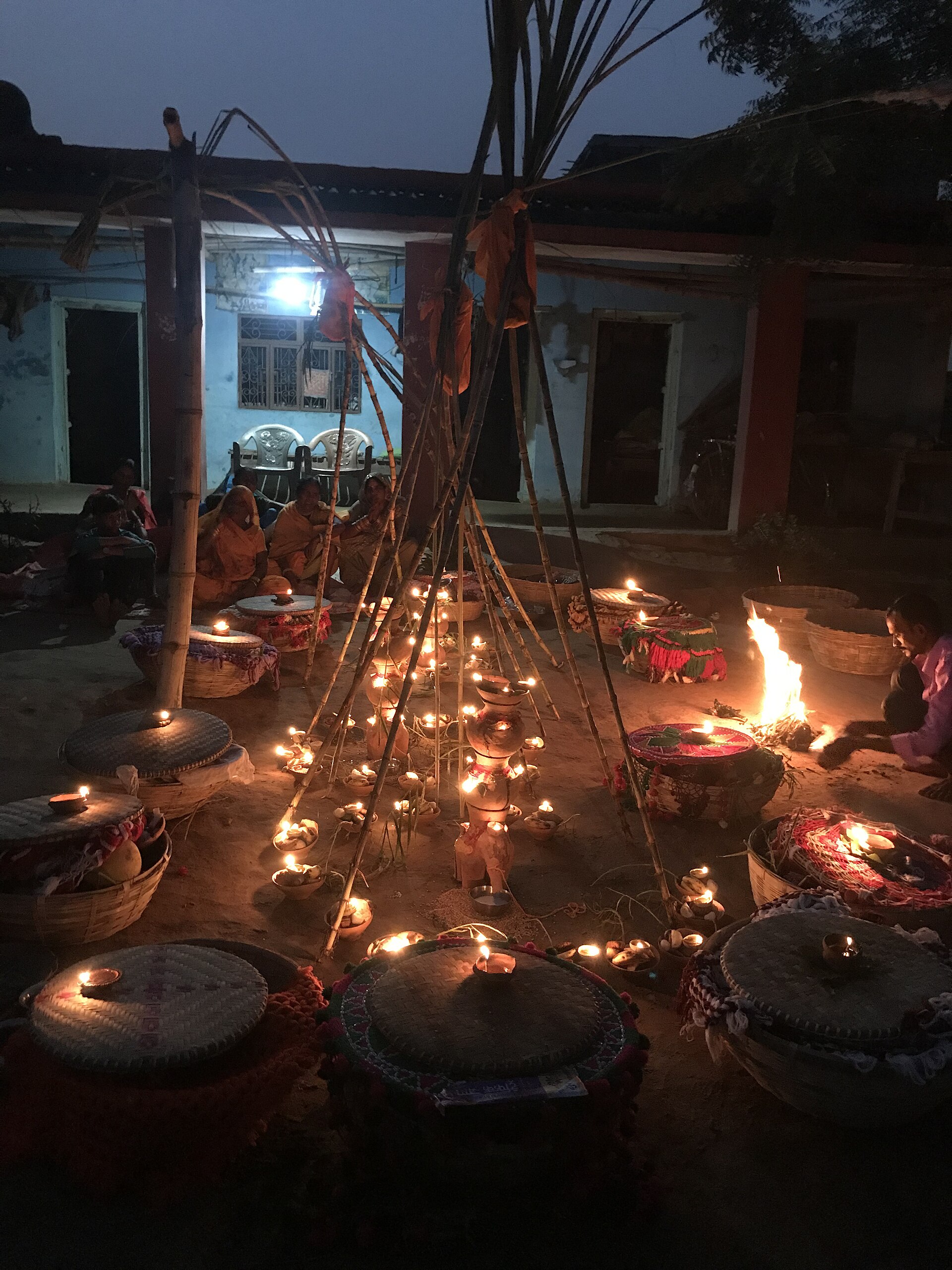
An ancient Hindu festival dedicated to the sun god Surya, observed with extraordinary devotion primarily in the Terai region. Devotees stand in water for hours at sunrise and sunset, offering water to the sun.
Significance
Chhath is one of the few continuously observed Vedic festivals, with rituals mentioned in the Rigveda.
Location: Terai region; major celebrations in Janakpur, Biratnagar, and along the Bagmati River in Kathmandu