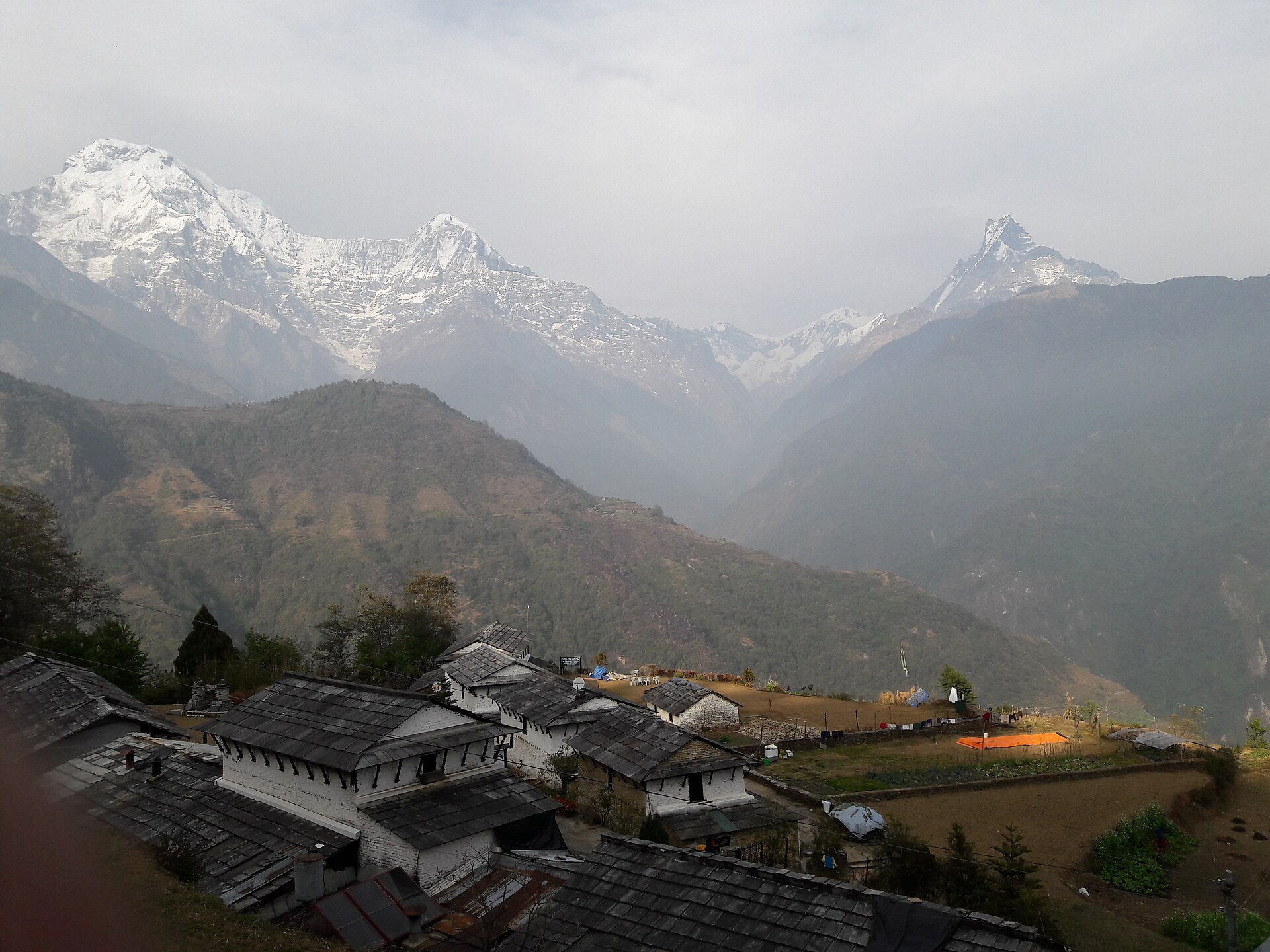
Magar
Palpa, Syangja, Tanahu, Gorkha, and Rolpa Districts
Population
Approximately 2.1 million
Language
Magar (Tibeto-Burman family)
Religion
Buddhism, Hinduism, and shamanism (Dhami-Jhankri)
The Magar Community
The Magar are one of the largest and oldest ethnic groups in Nepal, inhabiting the mid-western hills. Along with the Gurung, they form the backbone of the legendary Gurkha regiments. The Magar have a proud warrior tradition and a rich cultural heritage that blends Tibetan Buddhist and Hindu influences with indigenous shamanic practices.
Cultural Heritage
Magar society is organized into clans (thar) with a rich oral tradition of epics and legends. They are known for their martial prowess and served as the core of the Gurkha regiments. The Magar language is part of the Tibetan-Burman family, distinct from Nepali. Their traditional round houses (goth) are built from stone and wood. Magar cuisine is simple and hearty, based on millet, maize, and buckwheat, with dishes like dhindo and gundruk (fermented leafy greens).
Experience Magar Culture
Let us design a journey that includes authentic cultural exchanges with the Magar community.
Plan Your Journey